Tesla Reports Q3 Profit Decline as AI Spending Surges
The electric vehicle maker saw operating income drop significantly while revenue stayed flat, driven by heavy investment in autonomous technology and robotaxi development.
By Dmitri Sokolov ·
Tesla shareholders received mixed news after the close on Tuesday, October 21, 2026. While the company reported revenue that matched Wall Street expectations, its bottom line continued to shrink. Net income fell by 43% compared to the same period last year. This decline reflects a strategic shift where the company is prioritizing long-term technological development over immediate profitability, a move that impacts the valuation of its stock and the pace of its expansion.
Revenue for the third quarter stood at $28.05 billion, essentially unchanged from the previous year. Non-GAAP earnings per share came in at $0.48, slightly beating the consensus estimate of $0.45. However, this figure represents a 4% drop from the $0.50 reported in the same quarter of 2025. The company’s total gross margin improved to 19.6%, up from 18.0% a year ago. This recovery is attributed to a better mix of products and regional sales, though it remains below the peak levels seen in the first quarter.
The primary driver of the profit slide is a sharp increase in operating expenses, which rose 39% to $4.78 billion. Research and development spending jumped 69% to $2.76 billion as Tesla pours resources into its Super Intelligence initiative, the Optimus humanoid robot, and the Cybercab. Consequently, operating income dropped 56% to $718 million. This spending surge is part of a broader capital allocation strategy, with total capital spending reaching $4.73 billion, more than double the amount spent a year earlier.
Vehicle deliveries totaled 486,532 units, a 2.1% decrease from the prior year. Management cites battery availability as the main constraint on production volumes. Despite this, the company claims to hold its largest passenger vehicle backlog in four years. Average selling prices continued to decline, a trend that complicates the narrative of supply constraints. Meanwhile, energy storage deployments increased to 13.7 GWh, but revenue in that segment fell 16% due to customer refunds related to tariffs.
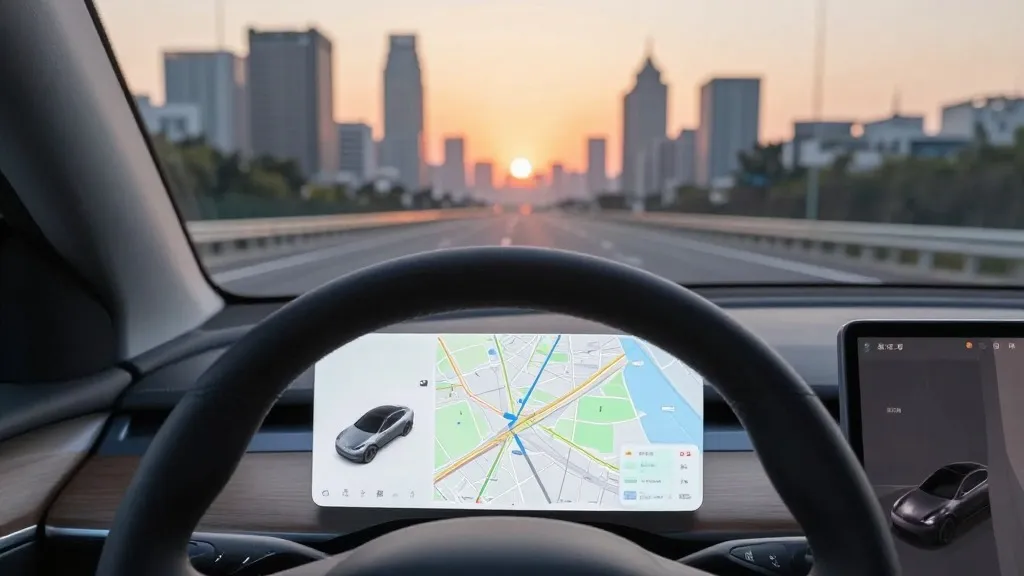
On the technology front, Tesla reported that active FSD subscriptions reached 1.74 million, a 67% increase. The company’s Robotaxi service has accumulated nearly 2 million unsupervised miles. This progress supports the company's long-term vision, even as short-term financial metrics face pressure from high investment levels and lower energy sector revenues.
Looking ahead, Tesla faces a significant hurdle to meet its annual capital spending guidance of over $25 billion. Having spent $13.01 billion in the first nine months, the company would need to deploy roughly $12 billion in the final quarter. This would require spending more than double its highest previous quarter, suggesting that the 2026 plan may slip into 2027. Free cash flow for the quarter was $1.53 billion, a positive result compared to the negative cash flow seen in the second quarter.
Management will discuss these results on an earnings call scheduled for 5:30 p.m. ET. The full shareholder deck is available on the company's investor relations site. The report highlights a period of transition for Tesla, balancing immediate financial performance against aggressive investments in artificial intelligence and autonomous driving capabilities.
Source: Electrek