Musk Claims Suppliers Accelerate Shipments for Ambitious Texas Chip Mega-Project
Tesla and SpaceX executives assert that critical equipment partners are moving up deliveries to meet a 2028 production target, a timeline many analysts view as highly optimistic.
By Khalid Rahman ·
The semiconductor industry’s most aggressive expansion plan just moved up its delivery schedule.
Elon Musk announced yesterday during a SpaceX earnings broadcast that key suppliers, including ASML, are expediting the shipment of critical manufacturing equipment for Terafab. This joint venture between Tesla and SpaceX is designed to produce advanced chips in Texas, with the goal of reaching volume production by the third or fourth quarter of 2028. While Musk described this timeline as "highly aspirational" with significant uncertainty, he expressed appreciation for the suppliers' willingness to accelerate deliveries to meet these aggressive dates.
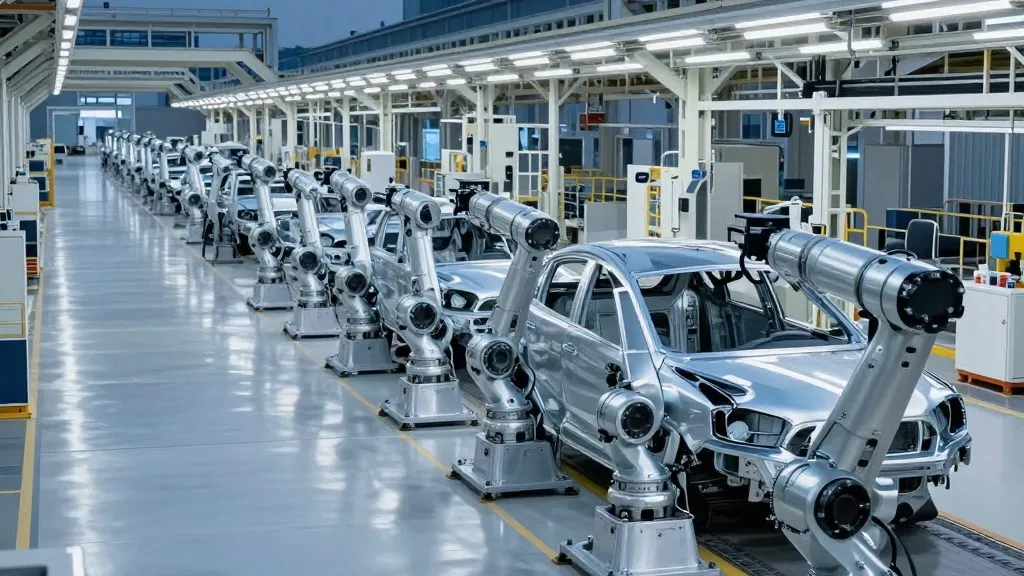
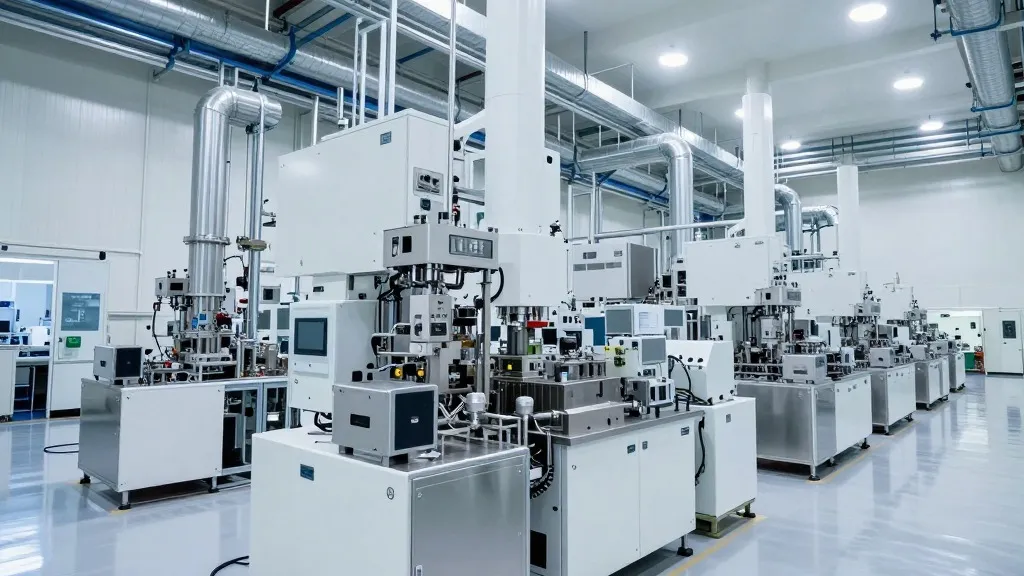
The project centers on a vertically integrated facility in Gibbons Creek, Texas, intended to manufacture logic, memory, and advanced packaging components in a single location. To achieve this, the venture relies on traditional extreme ultraviolet lithography systems built around Intel's 14A manufacturing node technology. Intel officially joined the venture in April 2026 to co-develop and refactor the silicon fabrication technology. Before the full-scale Terafab operations begin, SpaceX plans to produce its first experimental test chip at a research facility in Austin, Texas, around the second quarter of 2027.
ASML, the sole commercial provider of the $400 million EUV lithography machines required for leading-edge production, is considered the project's most critical partner. Unofficial sources previously suggested the first EUV tool was slated for mid-2027, though it remains unclear if that aligns with the expedited timeline Musk referenced. Other major equipment providers, including American firms Applied Materials, Lam Research, and KLA Corporation, as well as Japan’s Tokyo Electron, are supplying front-end processing and metrology machinery. The companies are also in discussions with approximately ten South Korean manufacturers for specialized components such as advanced packaging tools and high-pressure annealing equipment.
Musk outlined broader computing ambitions alongside the Terafab updates, stating that his AI companies expect to activate 2.5 to 3 gigawatts of computing capacity by the end of 2026. He expressed high confidence in adding another 10 gigawatts in 2027, predicting a total of 13 gigawatts of AI compute capacity by year's end. To support this, SpaceX and xAI are procuring next-generation Nvidia architecture, specifically planning to bring a 440,000-GPU "Vera Rubin" training cluster online by the end of the second quarter of 2027. This stands in contrast to the 10-gigawatt Project Stargate and Meta's 5-gigawatt Hyperion project, both of which are not expected to reach full capacity until the 2030s.
Musk argued that the commercial value of Terafab's output would be so significant that the single facility would rival the GDP of the twentieth-largest nation in the world. For comparison, Switzerland currently holds that position with a GDP of approximately $1.14 trillion. The facility aims to produce one terawatt of AI computing power annually, a figure intended to reduce reliance on external foundries like TSMC. The chips produced will power xAI clusters, Tesla’s self-driving vehicles, Optimus robots, and SpaceX’s orbital data centers.
However, skepticism persists regarding the feasibility of the one-terawatt target. Research firm Gartner estimates that total global AI-optimized data center capacity is roughly 44 gigawatts as of late 2026, meaning Terafab’s planned output would equal about 4.4% of the entire world's current capacity. While global AI computing capacity has grown at a rate of roughly 3.3 to 3.4 times per year since 2022, according to EpochAI, bridging the gap to Terafab's scale remains a formidable challenge. Critics note that ASML has historically maintained a backlog of orders for its EUV machines, making the concept of expedited shipments without displacing other clients a point of contention among industry observers.
Source: Tom's Hardware