SpaceX Declines Three Military Contracts as Spanish Rocket Nears Launch
The U.S. Space Force’s offer for three launch slots was rejected by SpaceX, while PLD Space’s Miura 5 approaches final integration ahead of a 2027 debut.
By Ahmed Mansour ·
SpaceX has declined three launch contracts offered by the U.S. Space Force, a decision that highlights a significant shift in the company’s commercial and military strategy. The rejection, announced this week, marks a notable departure for a firm that has historically dominated the U.S. government’s launch market. While the Space Force had sought to secure these slots for upcoming missions, SpaceX indicated that its current capacity and priorities did not align with the proposed military timeline.
The development comes amid broader discussions regarding the operational requirements of SpaceX’s flagship Starship vehicle. A safety panel convened by NASA reported that the massive rocket may require as many as 22 orbital refueling maneuvers to support a crewed lunar landing. This figure underscores the complexity of the in-orbit propellant transfer technology that will be critical to the Artemis program’s long-term goals. The panel’s findings suggest that the engineering challenges of deep space exploration remain substantial, even with the most advanced launch systems available.
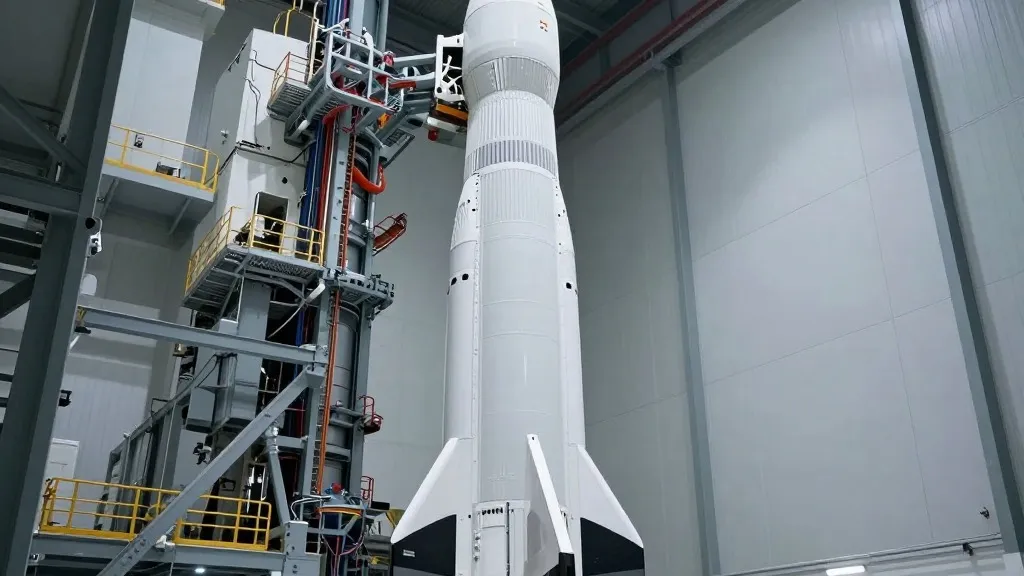
In Europe, Spain’s PLD Space is advancing its own small-lift rocket, the Miura 5, toward its inaugural flight. The company stated on Thursday that the vehicle is nearing final integration, a crucial milestone in its development timeline. PLD Space currently targets a first launch for the Miura 5 before mid-2027. This small-lift vehicle is intended to provide affordable access to low Earth orbit, a segment that has seen increasing competition from both established players and new startups in recent years.
Raúl Torres, the CEO of PLD Space, detailed the company’s manufacturing progress during a program update on October 19. Torres noted that three Miura 5 rockets have already been manufactured. Two of these units were designated for qualification campaigns, designed to stress-test key system elements and validate design assumptions. The third vehicle is the primary launch candidate, which is now undergoing final assembly to prepare for its maiden voyage.
The qualification process has been instrumental in refining the production pipeline. Torres explained that the continuous work across different stages of production and integration allowed the engineering teams to apply lessons learned from each campaign directly to the flight-ready vehicle. This iterative approach is intended to reduce risk and ensure that the operational rocket incorporates all necessary improvements identified during the testing of its siblings.
Specific testing efforts are currently underway at PLD Space’s facility in Teruel. One fully integrated Miura 5 second stage is undergoing system-level testing under conditions that replicate operational parameters. This includes a wet dress rehearsal and a static hot-fire test, both of which are critical for verifying the propulsion system’s performance and structural integrity. The successful completion of these tests will provide the confidence needed to proceed with the final launch preparations.
Meanwhile, in Canada, Reaction Dynamics is seeking to raise $350 million to expand its workforce from 68 to more than 350 employees. The company, one of three prominent Canadian launch startups, is developing the Aurora rocket for small-lift missions. Reaction Dynamics aims to reach orbit with the Aurora vehicle by 2028. The capital raise is a significant step in the company’s growth strategy, reflecting the increasing investment in the global launch market.
In addition to the Aurora, Reaction Dynamics has announced plans to develop a medium-lift rocket named Borealis. The company targets a debut for this larger vehicle by 2031. This dual-rocket strategy is designed to capture a broader range of market opportunities, from small satellite constellations to heavier payloads requiring more robust launch capabilities. The funding round will support the hiring and infrastructure development needed to execute this ambitious roadmap.
Source: Ars Technica