Warhound Unveils $200M Plan to Clone Military Dogs
A new venture is raising significant capital to genetically engineer service animals for the U.S. military and law enforcement, combining biotech research with advanced defense hardware.
By Kateryna Melnyk ·
A new venture backed by prominent defense and biotech figures is emerging from stealth today with $200 million in funding to build genetically engineered dogs for military and law enforcement work. The company, Warhound, is a partnership between Colossal Biosciences’ Ben Lamm and Anduril’s Palmer Luckey, and it is now valued at $1.2 billion. Investors in the round include Sequoia, 8VC, Corner Ventures, and In-Q-Tel, the venture firm backed by the CIA and other U.S. intelligence agencies.
The project aims to solve a specific problem within the U.S. military’s working dog program. According to the company’s launch materials, more than 80% of the military’s working dogs are sourced from Europe, and fewer than half of those imported animals ultimately pass fitness requirements. This reliance on foreign supply chains creates a shortage of qualified canines for bomb detection, searches, and other specialized operations. Warhound intends to engineer dogs with specific traits suited for demanding missions to address this gap.
The partnership began roughly a year ago when Lamm and Luckey met at a conference. Luckey advocated for improvements to the military’s working dogs, prompting Lamm to research how these animals are bred. During that process, Lamm discovered that many dogs fail training due to inherited conditions such as poor eyesight, cancer, hip dysplasia, or muscle atrophy.
To counter these issues, Lamm’s team has studied top-performing breeds, specifically the Belgian Malinois and German Shepherd. They have taken cell lines from these animals and placed them in a biobank. From there, the team will edit the dogs’ genes, removing traits that hinder performance and adding those that enhance health, longevity, speed, agility, or olfactory sensors for tasks like bomb sniffing. Lamm described the goal as creating a new type of dog.
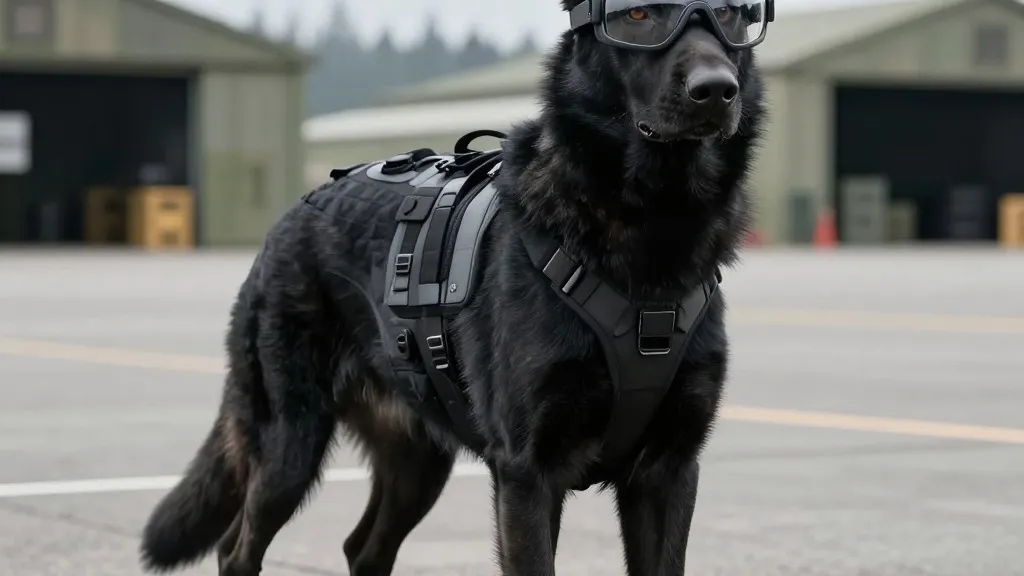
While the genetic work is handled by Colossal, Anduril will provide the hardware and software to support the animals. This includes protection vests and goggles designed to aid situational awareness and coordination between the dog and its handler. Lamm provided an example of bulletproof vests equipped with data sensors that relay information to handlers, allowing them to better understand the environment. He noted that these additions are placed on top of the dog rather than inside it.
The first batch of dogs is currently being prepared for cloning and incubation. Lamm stated that births are expected early next year, with service ideally beginning within two years. Viagen, a Colossal-owned company, will handle the cloning process using technology that Lamm said has a high success rate. Regarding the business structure, Lamm clarified that while Luckey is a partner in the venture, he owns no equity. Colossal holds equity and licenses its technology to the project.
Warhound does not yet have pricing for the animals but expects to sell to first responders, the Department of Defense, military service groups, and police forces. The company is working under the guidance of the American Humane Society to certify its training program. The society stated it looks forward to working with Warhound to ensure the animals are treated humanely. The American Humane Society also provides a Military Working Dog Reunification Program, which offers homes for retired military dogs.
Source: TechCrunch