Apple Raises iPhone Duo Production Targets Amid Surging Demand
The technology giant has significantly increased its shipment goals for the new folding smartphone following unexpected pre-order volumes.
By Malcolm Davis ·
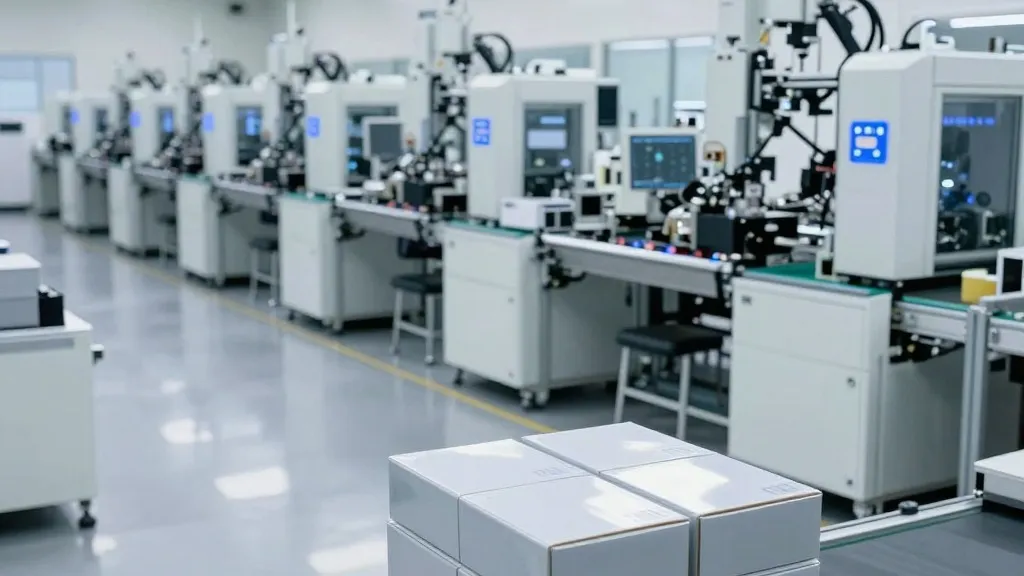
Apple has substantially increased its manufacturing orders for the iPhone Duo, boosting the target by more than 40% to meet heightened consumer interest. Supply chain sources indicate that the company has raised its shipment goal from 9.7 million units to 14 million units over the initial twelve-month period. This strategic adjustment reflects Apple’s confidence that robust demand for the device will persist well beyond the launch window.
The decision to ramp up production follows a chaotic start to pre-orders that opened on Friday. Customers quickly reported receiving extended delivery dates, with some estimates stretching into late January. While these delays initially created uncertainty regarding whether the issue stemmed from insufficient supply or overwhelming popularity, subsequent reports suggest the latter is the primary driver. Apple attributed the scheduling shifts to what it characterized as "extraordinary" demand for its first folding iPhone, a descriptor the company has historically employed for major product launches.
To manage the surge in interest and mitigate the impact of secondary market speculation, Apple implemented a limit of two units per customer during the pre-order phase. As anticipated, some early purchasers have since seen their estimated shipping dates move earlier. This positive shift aligns with indications that Apple is accelerating its production schedules to close the gap between orders and fulfillment.
Despite the operational adjustments, early adopters face initial software challenges, primarily because third-party applications have not yet been fully optimized for the new hardware. Apple maintains that the situation is improving rapidly as developers adapt their software to the device's unique form factor. Preliminary reviews from users who have spent a week with the phone consistently highlight app support as a significant area for development.
Hardware design choices also featured prominently in early feedback. One notable point of discussion was the device’s use of Touch ID rather than facial recognition technology. However, recent reports suggest that Apple is already testing prototypes for a second-generation iPhone Duo that incorporate Face ID, indicating a potential shift in the company’s biometric strategy for future folding devices.
The increased production targets place additional pressure on the supply chain to deliver components in a timely manner. With the first 14 million units slated for release over the next year, manufacturers must maintain high efficiency to meet the revised timeline. The successful execution of this ramp-up will be critical in determining whether Apple can satisfy the market appetite for its new category of smartphones without prolonged wait times.
Source: 9to5Mac